
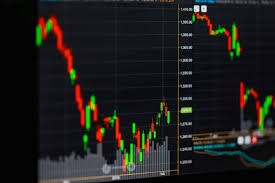
Forex trading is a dynamic and exciting investment opportunity, particularly with the advent of online brokers that have made access to the foreign exchange markets easier than ever. An online broker acts as an intermediary between traders and the forex market, providing them with the necessary tools and platforms to execute their trades efficiently. Understanding how to choose the right forex trading online broker India Brokers is crucial for both novice traders and experienced investors.
What is Forex Trading?
Forex trading involves buying and selling currency pairs in the foreign exchange market. This market is the largest financial market in the world, with a daily trading volume exceeding $6 trillion. Traders speculate on the price movements of currency pairs, leveraging the volatility of the markets to make profits. What distinguishes forex trading from other investment opportunities is the availability of 24/5 trading, meaning you can trade at almost any hour of the day during the weekdays.
The Role of Online Forex Brokers
Online forex brokers play an essential role in the trading process. They provide the trading platforms through which traders operate, and they facilitate the execution of buy and sell orders. Brokers charge a spread or commission for their services, which can vary significantly amongst different providers. The choice of broker can significantly impact a trader’s profitability and overall trading experience, making it vital to select a reputable one.
Key Features to Look for in Forex Brokers
1. Regulation and Licensing
When selecting a forex broker, one of the first factors to consider is the regulatory status of the broker. Established brokers are typically regulated by recognized authorities such as the Financial Conduct Authority (FCA) in the UK, the Commodity Futures Trading Commission (CFTC) in the US, or the Australian Securities and Investments Commission (ASIC). Regulatory oversight helps ensure that the broker adheres to ethical trading practices and maintains a level of security for traders’ funds.
2. Trading Platforms
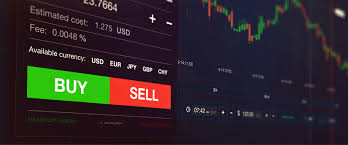
The trading platform is your gateway to the forex market. A reliable broker should offer robust trading platforms that are user-friendly and equipped with essential trading tools, such as advanced charting features, technical indicators, and automated trading capabilities. Popular platforms include MetaTrader 4 and MetaTrader 5, which are favored for their extensive functionality and support for algorithmic trading.
3. Spreads and Fees
Understanding the cost associated with trading is crucial. Different brokers have varying spreads – the difference between the buy and sell price – and commissions. Some brokers offer fixed spreads, while others offer variable spreads that can change based on the market conditions. It’s important to compare these costs across different brokers to find the most competitive rates that suit your trading strategy.
4. Customer Support
Efficient customer service is pivotal when it comes to online trading. A good forex broker can provide reliable customer support through various channels, including live chat, email, and phone support. Testing their customer service before committing can offer valuable insights into how responsive and helpful they are when faced with issues.
5. Range of Trading Instruments
While forex trading typically focuses on currency pairs, many brokers offer a range of additional trading instruments, including commodities, indices, and cryptocurrencies. Choosing a broker that provides a diverse range of trading options can help you hedge against risks and take advantage of multiple market opportunities.
How to Choose the Right Forex Broker
Selecting the right online forex broker involves research and consideration of various factors that align with your trading needs. Here are some steps to help streamline your decision-making process:
1. Define Your Trading Goals
Understand your trading goals and choose a broker that complements those. Are you a day trader, swing trader, or long-term investor? Your trading style can greatly influence which broker you should select.
2. Research and Compare
Conduct thorough research on various brokers. Utilize review websites and forums to gain insights into user experiences. Also, compare the features, fees, and services of different brokers to find the best fit.
3. Try Demo Accounts
Many brokers offer demo accounts that allow you to practice trading without risking real money. This is an excellent opportunity to evaluate the trading platform and familiarize yourself with its features before making any commitments.
4. Read Fine Print
Before finalizing your choice, ensure you read and understand the broker’s terms and conditions, including their trading policies, withdrawal processes, and any additional fees. Transparency is key to a healthy trading relationship.
Conclusion
Forex trading online brokers have transformed the landscape of currency trading, offering unprecedented access to global markets. By understanding what to look for in a broker, traders can enhance their trading experience and make informed decisions that align with their financial goals. Always remember to prioritize regulation, reliable customer support, competitive fees, and suitable trading platforms when choosing the broker that’s right for you. With the right partner by your side, navigating the forex markets can lead to significant opportunities and growth.